
How Long Does Cabinet Painting Last?
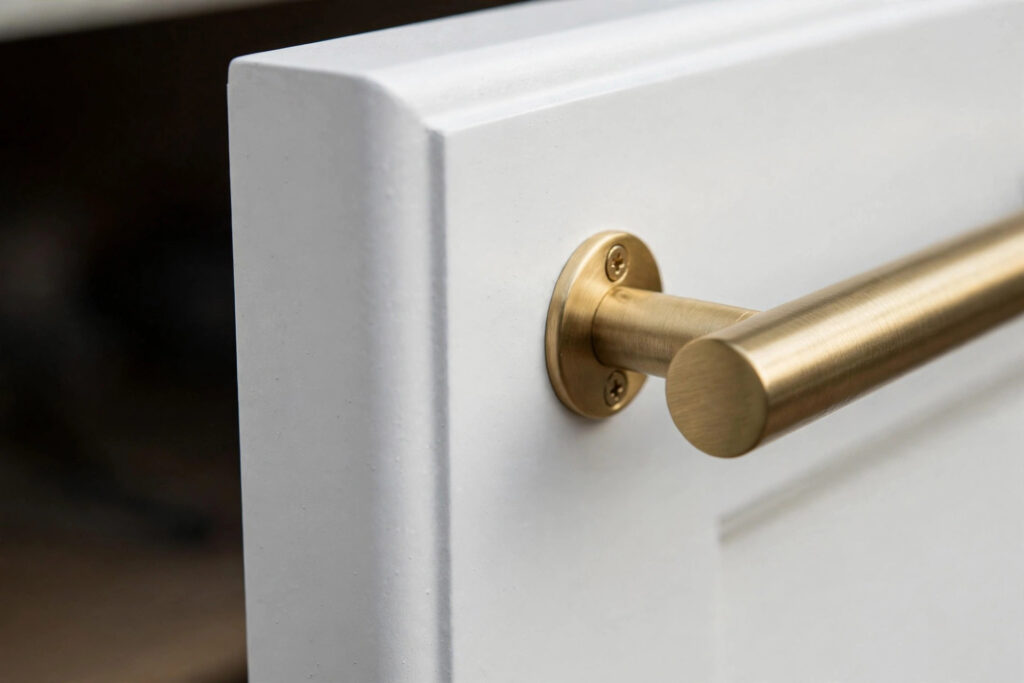
8–12 Years — If It’s Done Right
A quality cabinet paint job should last 8–12 years, but only when prep and products are right. Here’s what determines lifespan and how to make yours last.
You’re thinking about painting your kitchen cabinets instead of replacing them — smart move, since it typically costs 60–70% less. But the question every Cincinnati homeowner asks before signing is the right one: how long will it actually last?
The straight answer: a professionally painted cabinet finish, done with proper prep and cabinet-grade coatings, lasts 8 to 12 years in a normal working kitchen before it needs a refresh. A rushed job with wall paint over greasy cabinets? You might see chips within a year. The gap between those two outcomes is entirely about process — which means it’s entirely within your control when you hire.
Here’s what determines where your kitchen lands on that spectrum, and how to push it toward the 12-year end.
The Realistic Lifespan: 8–12 Years
Let’s set expectations honestly. Painted cabinets are not the same as factory-finished new cabinets, and no honest contractor will tell you otherwise. But a quality repaint is a genuine long-term solution, not a stopgap. Most homeowners who invest in professional cabinet painting get the better part of a decade — often more — of a kitchen that looks freshly done.
For comparison, that’s roughly in line with how long many homeowners keep a kitchen before wanting a style change anyway. If your cabinets are structurally sound and you like your layout, painting buys you 8–12 years of a “new kitchen” feel for $1,800–$5,500 instead of $18,000–$25,000 for replacement.
What Makes Painted Cabinets Fail Early
When painted cabinets chip, peel, or wear prematurely, it’s almost always one of these five causes. Notice that none of them is “the paint just wore out.”
1. Grease left under the paint
Kitchens coat cabinets in a fine film of cooking grease over the years — especially around the stove. If a painter skips proper degreasing, the primer bonds to grease instead of wood, and the finish lets go in sheets. This is the number one cause of early failure, and it’s completely preventable.
2. No (or wrong) primer
Paint-and-primer-in-one products are fine for walls. On cabinets — especially over varnish, laminate, or previously finished wood — you need a dedicated bonding primer. Skipping it is the most common shortcut in cheap cabinet jobs.
3. Wall paint instead of cabinet coatings
Standard latex wall paint stays slightly soft and tacky. On cabinet doors that get touched dozens of times a day, soft paint wears through on edges and handles within a couple of years. Cabinet-grade urethane enamels and catalyzed finishes cure much harder — that’s what they’re engineered for.
4. Too-thin or too-thick application
Film thickness has a sweet spot specified by the coating manufacturer. Too thin and high-touch edges wear through fast; too thick and the coating cracks as it cures. This is where applicator skill shows.
5. Rushed cure time
Paint can feel dry to the touch in hours while still being soft underneath. Full hardness takes days. If you’re slamming doors and scrubbing surfaces 48 hours after painting, you’re damaging a finish that wasn’t finished curing.
What “Proper Prep” Actually Looks Like
When you’re vetting painters, ask them to describe their prep step by step. A legitimate process sounds like this:
- Remove all doors, drawer fronts, hinges, and hardware. Label everything so it goes back in the right place.
- Degrease every surface with a dedicated degreaser — not just a wipe-down.
- Scuff-sand to give the primer a mechanical grip. Fill dents and dings.
- Prime with a bonding primer suited to your cabinet material.
- Apply the topcoat system — typically two finish coats of a cabinet-grade urethane or catalyzed coating, sprayed for the smoothest result. (See our spray vs brush comparison for the trade-offs.)
- Cure for the full manufacturer-recommended time before heavy use.
If a quote doesn’t account for all six steps, you’re not comparing apples to apples with quotes that do.
Cincinnati-Specific Factors: Humidity and Temperature Swings
Southwest Ohio’s climate does affect painted cabinets, mostly in two ways. Summer humidity slows cure times — a good painter adjusts the schedule rather than rushing it. And kitchens with big temperature swings (poor insulation, doors left open in winter) make wood expand and contract, stressing the paint film at joints. Neither is a dealbreaker, but it’s worth asking your painter how they handle cure conditions — pros plan for it.
High-Wear Zones: Where You’ll See Aging First
Even a great paint job ages unevenly. The first places to show wear are predictable:
- Around handles and knobs — fingers, rings, and constant contact.
- The trash pull-out and sink cabinet — water exposure plus constant use.
- Doors nearest the stove — heat and grease.
- Lower cabinet edges — shoes, vacuums, and mops.
This is normal and manageable — small touch-ups in these zones every few years keep the whole kitchen looking fresh. It’s also why a written warranty matters: know exactly what’s covered if wear shows up early. Our cabinet painting warranty guide explains what strong coverage looks like.
How to Make Your Painted Cabinets Last the Full 12 Years
Once the painter leaves, lifespan is largely in your hands. The maintenance routine is simple:
- Clean gently: warm water with a drop of dish soap and a soft cloth. Avoid abrasive cleaners, scouring pads, and harsh degreasers — they dull and thin the finish over time.
- Wipe spills promptly, especially around the sink and stove. Standing water is the enemy of any painted wood surface.
- Use the hardware: handles and knobs exist to keep fingers off the paint. If your cabinets lack them, adding hardware is one of the cheapest longevity upgrades there is.
- Control humidity: run your range hood when cooking and keep indoor humidity reasonable. It protects both the paint and the wood underneath.
- Touch up early: a small chip touched up in year three never becomes a peeling patch in year six. Ask your painter for a small jar of the exact finish for future touch-ups.
When Painting Isn’t the Right Call
Honesty matters here: painting won’t fix structural problems. If your cabinet boxes are water-damaged, warped, or falling apart, paint just gives you pretty damaged cabinets. If your layout wastes space or drives you crazy daily, no finish changes that. In those cases, cabinet refacing (new doors and veneer on sound boxes) or full replacement is the smarter spend. A good contractor will tell you which category you’re in — be suspicious of one who recommends painting for every kitchen.
The Bottom Line
Expect 8–12 years from a professional cabinet paint job, with the top end going to kitchens with thorough prep, cabinet-grade coatings, and gentle maintenance. At $1,800–$5,500, that’s one of the best value-per-year upgrades in all of remodeling — roughly $200–$500 per year for a kitchen that looks and feels new.
CincyEdge’s cabinet painting in Cincinnati includes full documented prep, sprayed urethane finishes, and a written 1-year warranty. Call (877) 708-9363 for a free estimate — we’ll tell you honestly whether your cabinets are good candidates for paint.
How Long Cabinet Painting Lasts: FAQs
How long does professional cabinet painting last?
8 to 12 years in a typical working kitchen, assuming proper surface prep and cabinet-grade coatings. Cheap jobs with wall paint over unprepared surfaces can fail within a year or two.
What makes painted cabinets chip or peel?
The top causes are grease left under the paint, skipped or wrong primer, standard wall paint instead of cabinet-grade coatings, incorrect film thickness, and rushed cure time. All five are preventable with a proper process.
Do painted kitchen cabinets yellow over time?
Older oil-based whites were notorious for yellowing. Modern water-based urethane enamels resist yellowing far better. Some slight ambering can still occur in kitchens with heavy sunlight or cooking grease buildup — gentle regular cleaning minimizes it.
How do I maintain painted cabinets?
Clean with warm water, a drop of dish soap, and a soft cloth. Avoid abrasives and harsh chemicals, wipe up water promptly, use your hardware instead of pulling on doors, and touch up small chips early before they spread.
When should I repaint vs replace my cabinets?
Repaint when the boxes are structurally sound and you like the layout — it’s 60–70% cheaper than replacement. Replace (or reface) when boxes are water-damaged or warped, or when the layout itself is the problem.
Does Cincinnati humidity affect painted cabinets?
It mainly affects cure time — summer humidity slows hardening, so a good painter adjusts the schedule. Once fully cured, a quality urethane finish handles normal household humidity fine. Run your range hood while cooking to protect the finish long-term.