
Cabinet Door Styles Guide: Shaker, Slab, Raised Panel & More
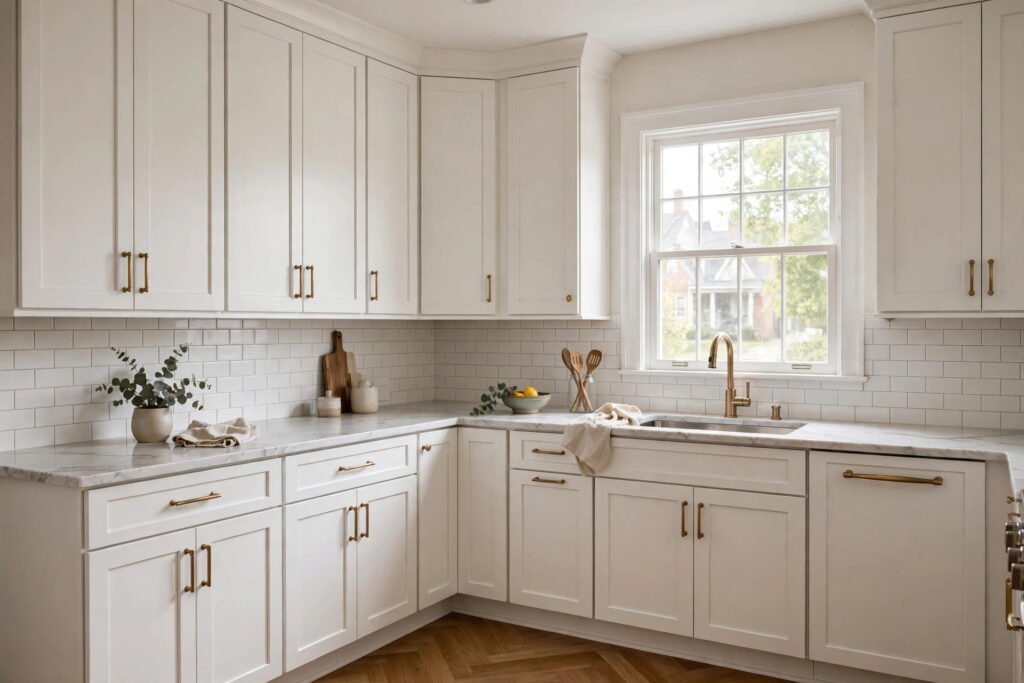
The Style That Defines Your Kitchen
Shaker, slab, raised panel — your door style sets the whole kitchen’s look. Here’s how to pick the right one.
Cabinet doors are the face of your kitchen — they cover more visual area than any other single element. Change the doors and you change the entire room, which is exactly why cabinet door replacement in Cincinnati is one of the highest-impact, lowest-disruption upgrades you can make. But walk into any showroom and the options are dizzying. This guide breaks down every major door style, how each one looks and lives, and which styles suit the homes Cincinnati actually has.
Shaker: The Unbeatable All-Rounder
Five-piece construction, flat center panel, clean square edges. Shaker is the most popular cabinet door style in America for one reason: it works everywhere. Traditional enough for a Hyde Park Tudor, clean enough for a Mason colonial refresh, simple enough to let bold countertops or backsplashes take the spotlight.
- Best for: almost any home; the safest choice if you plan to sell within 5–10 years
- Finishes: painted (white, gray, navy, sage) or stained; shows paint beautifully because the flat panel does not fight the finish
- Maintenance: easy — flat surfaces wipe clean, minimal grooves to trap grease
- Cost position: mid-range; widely available so pricing stays competitive
Flat Slab: Modern and Minimal
A single flat panel with no frame — the hallmark of contemporary and modern kitchens. Slab doors create long, uninterrupted lines that make small kitchens feel larger, which is why they pair so well with the clean-lined renovations popular in West Chester and newer builds.
- Best for: modern, transitional, and Scandinavian-inspired kitchens
- Finishes: high-gloss lacquer, matte, wood veneer, textured laminates
- Maintenance: easiest of all — one flat wipeable surface
- Watch out: flat doors show every fingerprint and flaw, so finish quality matters enormously; this is a style where professional finishing pays off
Raised Panel: Classic and Traditional
The center panel is literally raised above the frame, creating depth, shadow lines, and formality. Raised-panel doors defined 1990s and early-2000s kitchens across Cincinnati’s suburbs — and they still suit traditional homes beautifully.
- Best for: traditional, colonial, and formal kitchens; homes with crown molding and classic trim
- Finishes: stained wood shows off the panel detail best; painted raised-panel can look heavy in small kitchens
- Maintenance: more grooves and profiles mean more dusting
- Design note: if your current kitchen has dated raised-panel doors in a honey-oak stain, you do not need new boxes — replacing just the doors with Shaker or slab transforms the room for a fraction of replacement cost
Glass-Front: Display and Light
Glass inserts in upper cabinets break up long runs of wood, display dishware, and bounce light around the room. Use them strategically — a run of glass-front uppers flanking the range, or a single display cabinet — rather than everywhere.
- Best for: accent cabinets; kitchens that need visual lightness
- Glass options: clear, seeded, frosted, or reeded — frosted and reeded hide clutter while keeping the airy feel
- Honest caveat: clear glass means your shelves are always on display; commit to keeping them styled
Beadboard and Cottage Styles
Vertical beadboard grooves give instant farmhouse and cottage character. Lovely in the right setting — a Clifton Victorian or a cozy Anderson Township cape — but style-specific enough that resale-minded homeowners should use it sparingly, perhaps on an island only.
Inset vs Overlay: The Construction Behind the Style
Style is what you see; construction is how the door sits on the cabinet box — and it affects both look and price:
- Full overlay: doors cover nearly the entire cabinet face. Modern look, maximum access, most common today.
- Partial overlay: a visible strip of frame shows between doors. Traditional look, slightly lower cost.
- Inset: doors sit flush inside the frame. Furniture-grade, premium look — and premium price, since tolerances are exacting.
When replacing doors on existing boxes, your current construction usually dictates the choice — full-overlay doors will not fit frames built for partial overlay without modification. A professional assessment takes five minutes and prevents expensive mistakes.
Paint vs Stain: Choosing the Finish
The door style sets the shape; the finish sets the mood:
- Painted finishes (white, greige, navy, forest green) dominate current Cincinnati remodels. Paint unifies mixed wood tones and brightens older kitchens. Factory or professional spray finishes resist chipping far better than DIY brush jobs.
- Stained finishes showcase wood grain — walnut, white oak, and cherry each bring warmth paint cannot. Stain suits traditional styles and hides wear gracefully.
- Two-tone combinations — painted perimeter with a stained island, or vice versa — add designer depth without designer cost.
Which Style Suits Your Cincinnati Home?
- Hyde Park / Indian Hill traditional homes: Shaker or raised panel in rich stain or classic white; inset construction if the budget allows
- Mason / West Chester colonials and contemporaries: Shaker in painted finishes; slab for modern-leaning updates
- Clifton / Northside vintage homes: beadboard accents or Shaker with period-appropriate hardware
- Condos and newer builds: flat slab in matte or wood veneer for a clean contemporary feel
- Planning to sell soon: white or light-gray Shaker — the broadest buyer appeal in the Cincinnati market
What to Expect During Installation
Professional door replacement is refreshingly low-drama compared to a full remodel. After an in-home measurement, your doors are built to order — typically a one-to-two-week fabrication window. Installation itself usually takes one to two days: old doors come off, hinges are fitted and adjusted, new doors go on, and hardware is installed and aligned. There is no demolition, no dust clouds, and no permit inspections. You keep full use of your kitchen throughout, which is a major reason busy Cincinnati families choose this route over a months-long renovation.
New Doors + Refacing: The Complete Transformation
Here is the insider move: new doors alone look great, but new doors plus fresh veneer on the cabinet boxes (that is cabinet refacing) make the entire kitchen look brand-new — boxes, frames, and all — for roughly half the cost of full replacement. If your cabinet boxes are solid and the layout works, this combination is the smartest money in kitchen remodeling.
Want help choosing? Call CincyEdge at (877) 708-9363 — bring your ideas (or just your confusion) to a free consultation and we will show you real door samples in your actual kitchen lighting.
Cabinet Door Style FAQs
What is the most popular cabinet door style right now?
Shaker, by a wide margin. Its clean five-piece design suits traditional and modern kitchens alike, takes paint beautifully, and has the broadest resale appeal.
Can I mix cabinet door styles in one kitchen?
Yes — strategically. A common designer move is Shaker perimeter cabinets with glass-front or open-shelf accents, or a different style/color on the island. Keep it to two styles maximum for a coherent look.
Should I choose painted or stained cabinet doors?
Paint brightens and modernizes and dominates current trends; stain adds warmth and hides wear better over time. Two-tone kitchens (painted perimeter, stained island) give you both.
Will new doors fit my existing cabinet boxes?
In most cases, yes — replacement doors are made to your boxes’ exact measurements, including hinge boring. Your current overlay type (full, partial, or inset) determines what will fit, which is why a professional measurement matters.
How long do replacement cabinet doors last?
Quality replacement doors with a professional finish last 15–20 years or more — essentially the same lifespan as new cabinetry, since the boxes they hang on are the same.
Is it cheaper to replace doors or reface cabinets?
Door-only replacement costs less than full refacing (doors plus veneered boxes), but the combination of both delivers the most complete transformation. See our door replacement cost guide for how the numbers compare.