
Cabinet Installation Cost In Cincinnati (2026 Guide)
Free Consultation & Free Written Estimate
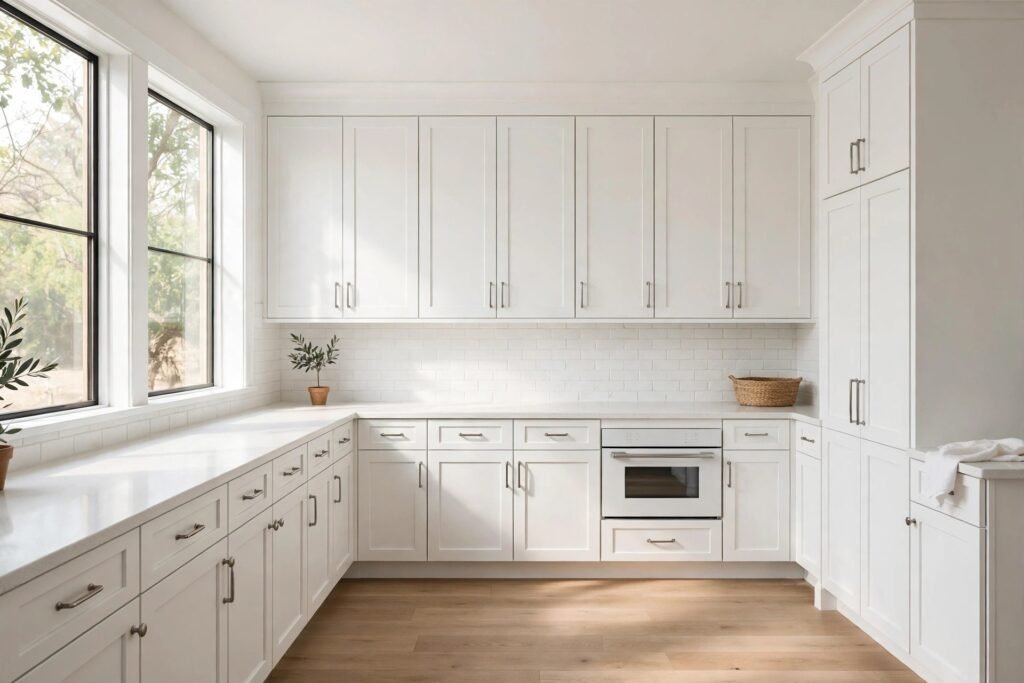
If you are planning new cabinets for your Cincinnati kitchen, the first question on your mind is probably a simple one: what will installation actually cost? It is a fair question, and it deserves a straight answer. The honest truth is that there is no single figure that fits every kitchen, because installation cost is shaped by your cabinet choice, your kitchen layout, the condition of your walls and floors, and the finishing details you want. Once you understand what drives the price, you can compare options with confidence and get an exact written estimate for your own kitchen, rather than relying on a vague ballpark that leaves you guessing later.
What drives installation cost
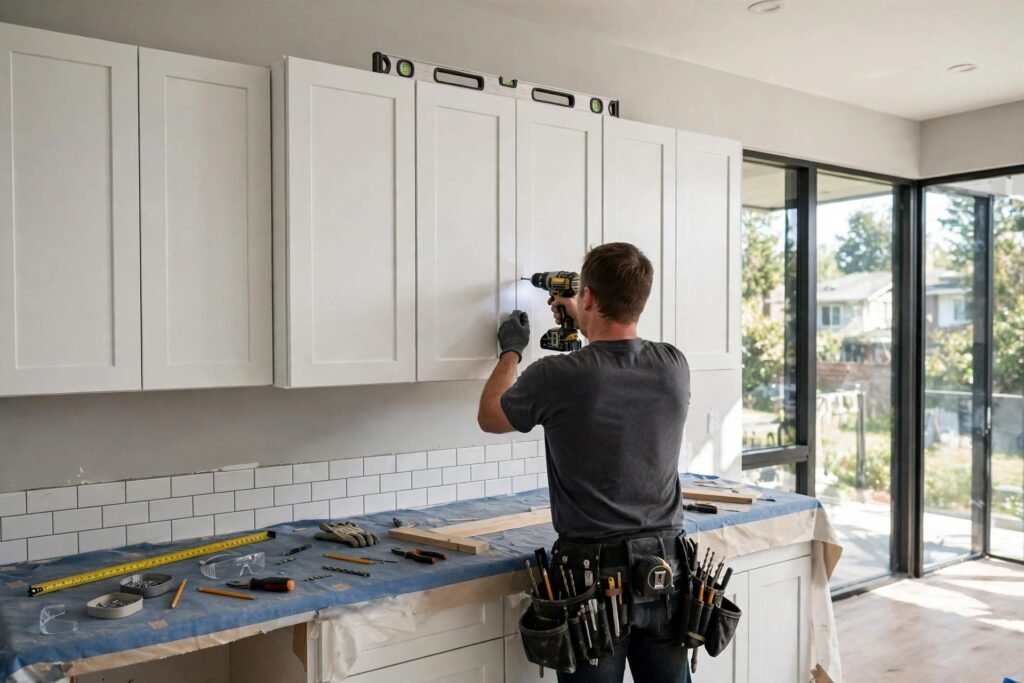
Think of cabinet installation cost as a set of building blocks rather than one flat charge. The cabinets themselves are one part of the picture, but the work involved in fitting them properly matters just as much. An installer needs to measure carefully, check that your walls are plumb and your floors are level, secure each cabinet safely, align doors and drawers, and finish the job with trim and hardware.
The scope of the job matters too. A straightforward replacement in the same layout is usually simpler than a redesign that moves cabinets, changes the layout, or adds new storage. Removal of your old cabinets, any repairs needed behind them, and the finishing touches you choose all form part of the overall project as well.
Stock vs semi-custom vs custom cost factors
The type of cabinet you choose is one of the biggest influences on installation cost, and it is worth understanding the differences before you fall in love with a particular style. Stock cabinets come in set sizes and finishes, which keeps the manufacturing side simpler. They can be a smart choice if your kitchen layout works well with standard sizes and you want a clean, updated look without a long list of special requests. Installation tends to be more straightforward too, because the cabinets arrive ready to fit into a familiar pattern.
Semi-custom cabinets give you more room to adjust. You might be able to change a depth here, add a special storage feature there, or choose from a wider range of finishes. Fully custom cabinets are built around your exact kitchen, which makes them the best fit for unusual layouts, older homes with uneven walls, or a very specific design vision.
Kitchen size and layout
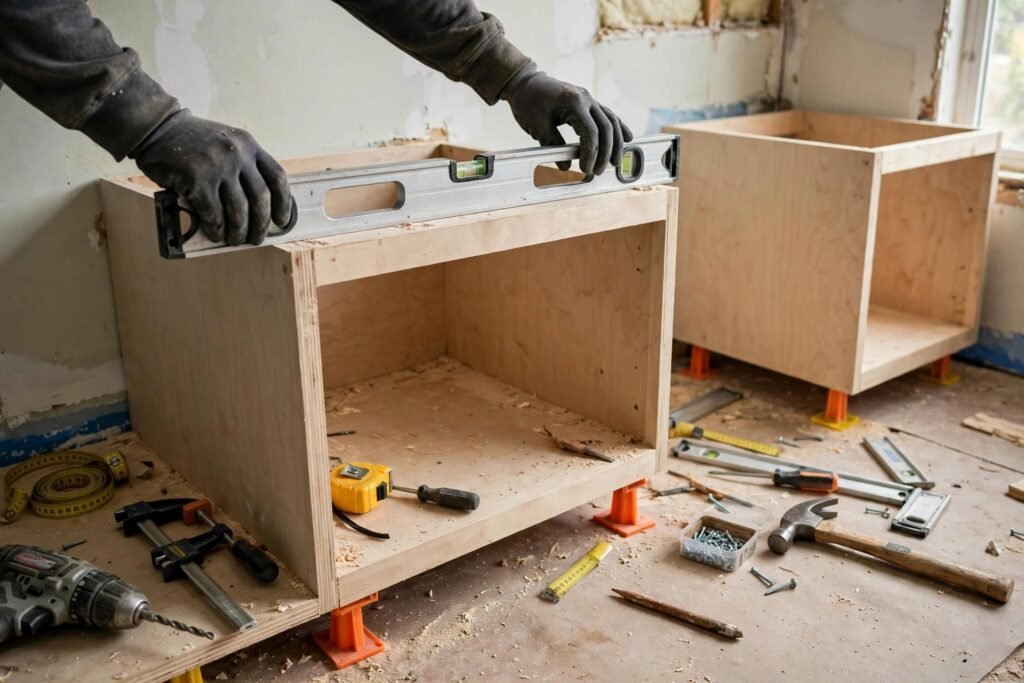
It probably comes as no surprise that a larger kitchen with more cabinets generally involves more installation work than a smaller one. More cabinets mean more measuring, more leveling, more securing, and more alignment, and each of those steps has to be done properly for the finished kitchen to look and feel right. But size alone does not tell the whole story. Layout matters just as much, and sometimes more.
A simple, straight run of cabinets is easier to install than a kitchen with corners, islands, peninsulas, or tall pantry units. Corners need careful planning so that doors open freely and storage stays usable. Tall units need to be secured safely and aligned with the rest of the run. If your new layout moves cabinets to different walls, that can also affect the work involved, because the installer is working with fresh measurements rather than following the footprint of your old cabinets. When you get your estimate, ask how your layout affects the work, so you understand the reasoning behind the figure rather than just seeing a total.
Hardware, molding and extras
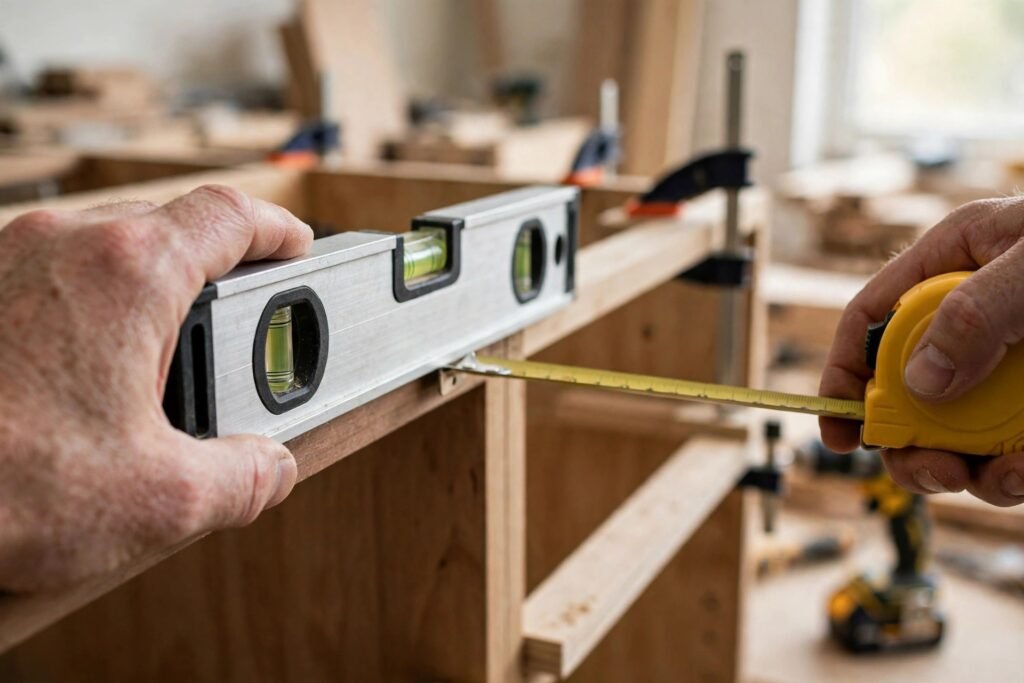
The finishing details are where your kitchen really starts to feel like yours, and they also play a role in the overall project. Hardware is a good example. Knobs, pulls, and hinges come in a wide range of styles and finishes, and the choice you make affects both the look of your kitchen and the fitting work involved. Soft-close hinges and smooth drawer slides, for instance, need careful adjustment so every door and drawer closes quietly and lines up neatly.
Molding and trim are another detail worth thinking about. Crown molding at the top of wall cabinets, light rail molding underneath, and decorative panels on exposed ends can give your kitchen a finished, built-in appearance. Other extras might include pull-out shelves, drawer organizers, or specialty storage for baking trays and spices. None of these are essential, but they can make your kitchen far more enjoyable to use. CincyEdge has been serving Cincinnati homeowners since 2013, and a clear, itemized estimate is part of how we help you make those choices with confidence.
How to get an exact price
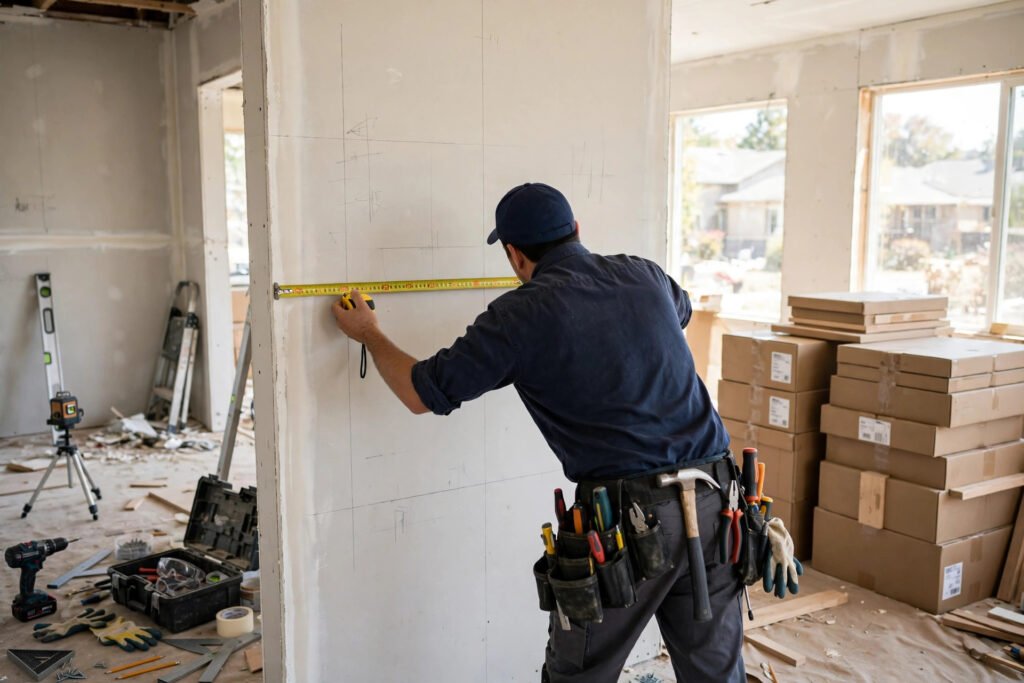
The only way to get a price you can truly rely on is to have your kitchen measured and your project scoped properly. A written estimate should spell out the cabinets you have chosen, the installation work involved, removal of old cabinets if needed, hardware, molding, and any extras you have agreed to. If anything is unclear, ask. A good installer will be happy to explain each line, because a clear estimate protects both sides and prevents surprises once work begins.
When you compare estimates, make sure you are comparing like with like. One estimate might include hardware and trim while another leaves them out, and that alone can make the totals look very different. Ask about what happens if something unexpected is found behind your old cabinets, and how that would be handled and priced.
Why Choose CincyEdge
CincyEdge has been serving Cincinnati homeowners since 2013, completing 485+ remodels with a 96% satisfaction rate. Every project starts with a free consultation and a free written estimate, so you know exactly what is included before any work begins.
You work with one team from consultation to final walkthrough, and every cabinet project ends with a thorough check of doors, drawers, alignment, and hardware — because the job is not finished until you are happy with the result.
We Proudly Serve Cincinnati & Surrounding Areas
CincyEdge serves Cincinnati and surrounding areas. Call (877) 708-9363 to book your free consultation and receive a free written estimate for your kitchen.
Why Homeowners Trust CincyEdge
Local Cincinnati Expertise
CincyEdge has been serving Cincinnati homeowners since 2013, completing 485+ remodels with a 96% satisfaction rate.
One Team, No Subcontractors
You work with one team from consultation to final walkthrough, so nothing gets lost between different crews.
Clear Pricing, No Surprises
Every project starts with a free consultation and a free written estimate, so you know exactly what is included before any work begins.
Frequently Asked Questions
How much does it cost to install cabinets in Cincinnati?
There is no single answer that fits every kitchen, because the cost depends on your cabinet type, kitchen size and layout, the condition of your walls and floors, and the hardware and finishing details you choose. The reliable way to know your price is a free written estimate based on measurements of your own kitchen, so you get an exact figure for your project rather than a guess.
Is installation priced per cabinet or per project?
Most projects are priced as a whole, based on the full scope of work rather than a flat charge per cabinet. That is because the work involved is not the same for every cabinet. Tall units, corner cabinets, and islands take different amounts of fitting and alignment, and factors like wall condition and trim affect the job too. A project price lets your installer account for all of that fairly, and a written estimate should break down what is included so you can see how the total was reached.
Does removal of old cabinets cost extra?
Removal is often part of the project, but whether it is included in your estimate depends on the scope you agree to. Some projects include taking out old cabinets and clearing the space ready for the new ones, while others price removal separately, especially if the old cabinets are built in or need careful handling. Ask directly when you get your estimate, so you know exactly what is covered and there are no surprises on installation day.
Stock vs custom — which is cheaper to install?
Stock cabinets are generally the simpler and more straightforward option to install, because they arrive in set sizes and fit a familiar pattern. Custom cabinets are built for your exact space, which can mean more planning and more skilled fitting, particularly in older kitchens or unusual layouts. That extra care is what gives you a result that looks built in rather than forced into place.
How long does installation take?
That depends on the size of your kitchen, the number and type of cabinets, your layout, and the condition of your walls and floors. A smaller, straightforward replacement will naturally take less time than a larger kitchen with corners, tall units, or an island. Your installer should give you a realistic sense of the schedule for your specific project during your consultation, so you can plan around the work and know what to expect at each stage.
Related Guides
Cabinet Refacing vs Cabinet Replacement
Ready to find out exactly what your cabinet installation would involve? Call CincyEdge at (877) 708-9363 for a free consultation and a free written estimate tailored to your Cincinnati kitchen.